
Choosing dental cabinetry is a long-term decision. The cabinets you install today will affect how your team moves, stores supplies, accesses equipment, turns over rooms, and works within the operatory for years to come.
That makes cabinetry about much more than appearance.
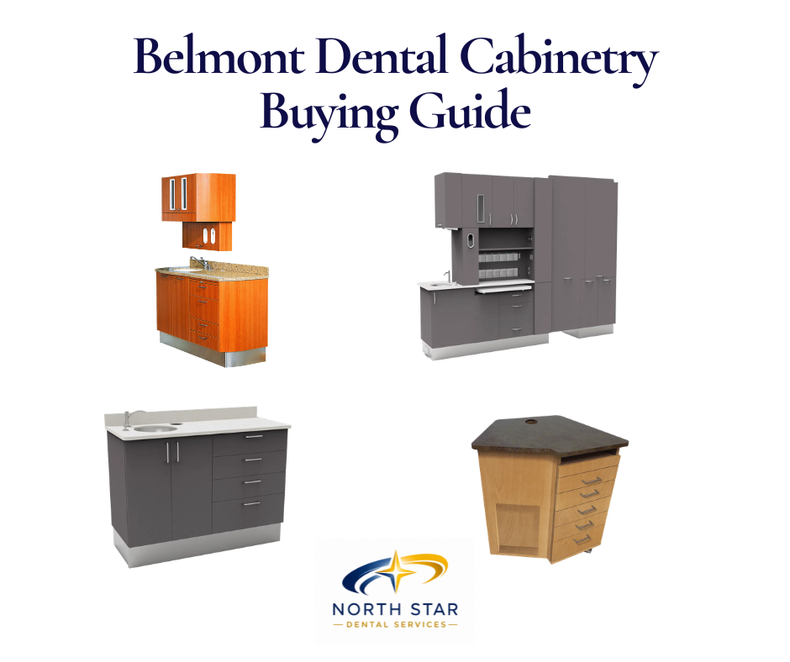
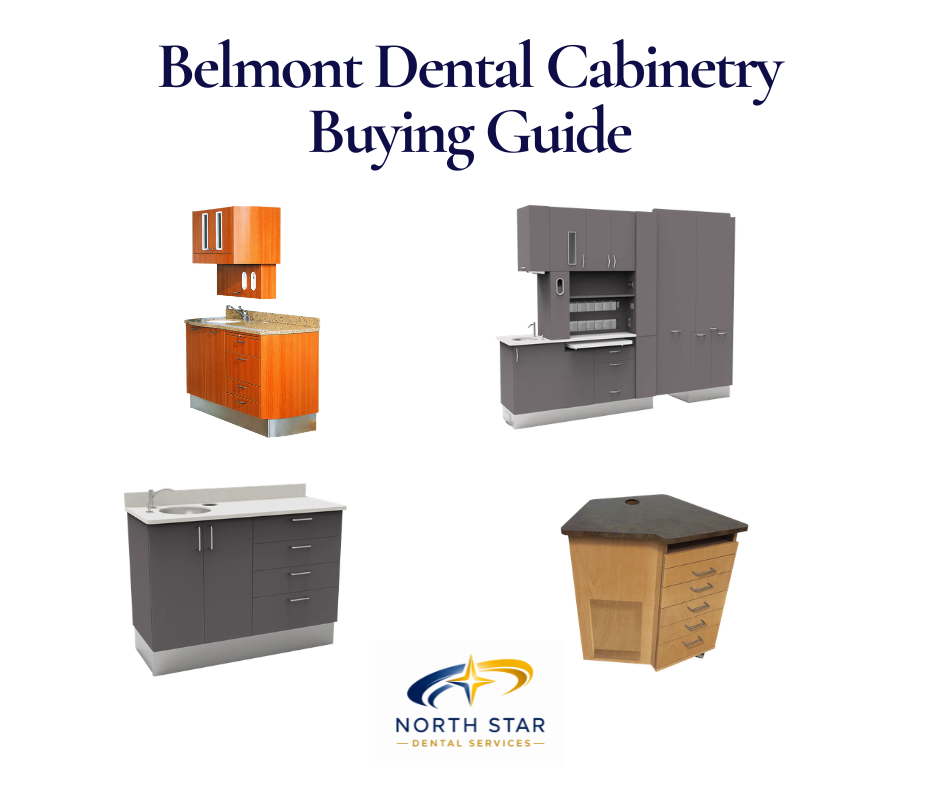
Belmont offers several dental cabinetry systems designed for different layouts, workflows, and practice needs. For most general dental operatories, the decision will center around the Flex Series, D Series, and K Series. Belmont also offers the Ortho-Sys Series for orthodontic applications.
There isn't one Belmont cabinetry system that is best for every practice. The right choice depends on your room, workflow, equipment, budget, and what you're trying to accomplish.
Quick Comparison: Belmont Flex vs. D Series vs. K Series
Choose Flex Series when: You want a highly configurable operatory designed around your workflow and room.
Choose D Series when: You want a proven, practical cabinetry system with straightforward storage and flexible layout options.
Choose K Series when: You want streamlined, contemporary cabinetry with organized storage and flexible work surfaces.
The cabinetry series is only the beginning, though. The individual configuration matters just as much.
Belmont Flex Series Cabinetry
Best for practices that want a highly configurable operatory
Belmont's Flex Series is designed around flexibility and workflow. It offers configurable cabinetry with storage and work surfaces that can be planned around the way the doctor and assistant actually use the operatory.
This makes Flex particularly interesting when you're building a new office or completing a substantial remodel and have the opportunity to think through the room as a complete system rather than simply replacing an existing cabinet.
Consider Flex Series if you:
-
Are building a new dental office or substantially remodeling
-
Want cabinetry planned around a specific clinical workflow
-
Have a room configuration that doesn't fit a simple standard layout
-
Want to coordinate cabinetry and equipment as part of the same operatory design
-
Place a high value on storage location, reach and workflow
North Star's take: More choices aren't automatically better. Flex makes the most sense when those choices are used intentionally. Before selecting cabinets, think through where the doctor and assistant work, what needs to be accessible during treatment, where supplies are stored, and how the room will be turned over.
Belmont D Series Cabinetry
Best for practices that value practical, time-tested design
Belmont describes the D Series as its time-tested approach to operatory cabinetry. Its design emphasizes straightforward storage, practicality and flexible layouts.
One recognizable D Series feature is the small viewing windows on many of the upper cabinet doors, allowing staff to see stored contents without opening the cabinet.
The line includes a variety of rear consoles, side cabinets, mobile carts, sink units and other configurations, making it useful for both complete operatories and targeted cabinetry replacement.
Consider D Series if you:
-
Prefer a straightforward, practical cabinet design
-
Are remodeling an existing operatory
-
Need to replace individual pieces of cabinetry
-
Want multiple configuration options without designing an entirely custom room
-
Are considering pre-owned Belmont cabinetry
North Star's take: D Series has been installed in dental offices for years, which also means it is one of the Belmont lines you're more likely to encounter on the pre-owned market. Used cabinetry can be an excellent value when the dimensions, condition and configuration work for the room—but measure first. A great cabinet that doesn't fit the operatory isn't a bargain.
Belmont K Series Cabinetry
Best for practices that want clean, streamlined cabinetry
The K Series combines a modern appearance with organized storage and flexible work surfaces. Solid-front cabinetry gives the operatory a clean look, while rear and side configurations provide storage around the clinical workspace.
Depending on configuration, adjustable work surfaces—including sliding and articulating options—can help position the working surface where it is needed.
Consider K Series if you:
-
Prefer solid-front, streamlined cabinetry
-
Want a contemporary operatory appearance
-
Value organized storage and flexible work surfaces
-
Are planning rear or side cabinetry around a defined workflow
North Star's take: Don't choose K Series solely because you like how it looks in a photograph. Cabinetry has to work at 10:30 on a busy Tuesday, too. Think about where instruments, supplies and work surfaces will actually be during treatment.
What About Belmont Ortho-Sys?
Belmont also offers Ortho-Sys, a cabinetry line designed for orthodontic applications, including mobile storage options.
If you're outfitting an orthodontic practice or have a workflow that depends heavily on mobile storage, it deserves separate consideration rather than trying to make a traditional general-dentistry operatory configuration fit an orthodontic workflow.
What Should You Consider Before Choosing Dental Cabinetry?
1. Start with workflow—not cabinet style
Where does the doctor sit? Where does the assistant sit? Which supplies need to be within reach during treatment? What happens during room turnover?
Answer those questions before choosing cabinet doors and countertops.
2. Measure the actual room
Room dimensions, door swings, patient entry, chair position, delivery equipment and other fixed elements can quickly eliminate configurations that looked perfect on paper.
3. Think about equipment integration
Cabinetry and equipment shouldn't be planned independently. Depending on the configuration, cabinetry may need to accommodate delivery equipment, electrical connections, plumbing, sinks, waste, X-ray equipment or other clinical systems.
4. Consider work surfaces
More countertop isn't necessarily better if it encourages clutter or forces staff into awkward movement. Consider where a work surface is actually needed and whether a fixed, sliding or articulating surface makes more sense.
5. Plan storage around use
Frequently used supplies should be easy to reach. Bulk supplies don't need prime chairside real estate. Good cabinetry planning reduces unnecessary movement rather than simply providing the maximum number of drawers.
6. Think beyond today's operatory
If you're building or completing a significant remodel, consider how the room may need to function five or ten years from now. Equipment changes. Teams change. Procedures change. A little flexibility can matter later.
Can You Buy Belmont Dental Cabinetry Pre-Owned?
Yes, and in the right situation it can be a very good value.
Cabinetry is different from equipment with complex electronics or mechanical components. Condition still matters, but the bigger questions are often dimensions, configuration, finish, countertop condition and whether the cabinet will actually work in your room.
Before purchasing pre-owned dental cabinetry, confirm measurements carefully and understand what will be required for removal, transportation and installation.
North Star occasionally has pre-owned Belmont cabinetry available. Availability varies because pre-owned equipment depends on what comes out of practices during remodels and equipment replacements.
Frequently Asked Questions
Which Belmont cabinetry series is the most customizable?
Belmont's Flex Series is designed to be highly configurable, with multiple cabinetry and storage options that can be planned around operatory workflow and room layout.
What is the difference between Belmont D Series and K Series cabinetry?
D Series emphasizes a time-tested, straightforward design with practical storage and flexible configurations. K Series has a more streamlined appearance with solid-front cabinets and flexible work-surface options. The better choice depends on the room and how your team works.
Is Belmont D Series still a good choice?
Yes. Belmont continues to offer the D Series. It includes rear consoles, side cabinetry, mobile carts, sink units and other configurations for current dental practices.
Can cabinetry integrate with dental delivery equipment?
Yes, depending on the cabinetry model and equipment configuration. This is one reason cabinetry and equipment planning should happen together rather than as separate decisions.
Can cabinetry help one X-ray serve two operatories?
In some layouts, yes. For example, Belmont offers a D Series X-ray pass-through cabinet designed to allow a single intraoral X-ray to serve two adjoining operatories. Whether that configuration is appropriate depends on the room layout and applicable requirements.
Does Belmont offer a cabinetry warranty?
Belmont currently lists a 3-year warranty on Koken cabinetry. Warranty terms can change, so confirm current coverage for the cabinetry you're purchasing.
How North Star Helps You Choose
Cabinetry isn't just furniture. It affects how your team moves through the day, how efficiently supplies and instruments are stored, how equipment integrates into the room, and how easy—or frustrating—the operatory is to work in.
Our technicians work in real dental offices every day. We've seen cabinetry layouts that make a room work beautifully and others that create small frustrations hundreds of times a week.
North Star Dental Services can help you evaluate your room, workflow and equipment before you choose cabinetry. Whether you're planning a new office, remodeling existing operatories, replacing one cabinet, or considering pre-owned cabinetry, we'll help you understand the options and make a decision that fits the way your practice actually works.
Need help choosing Belmont cabinetry? Contact North Star Dental Services to discuss your operatory, floor plan and equipment needs.